
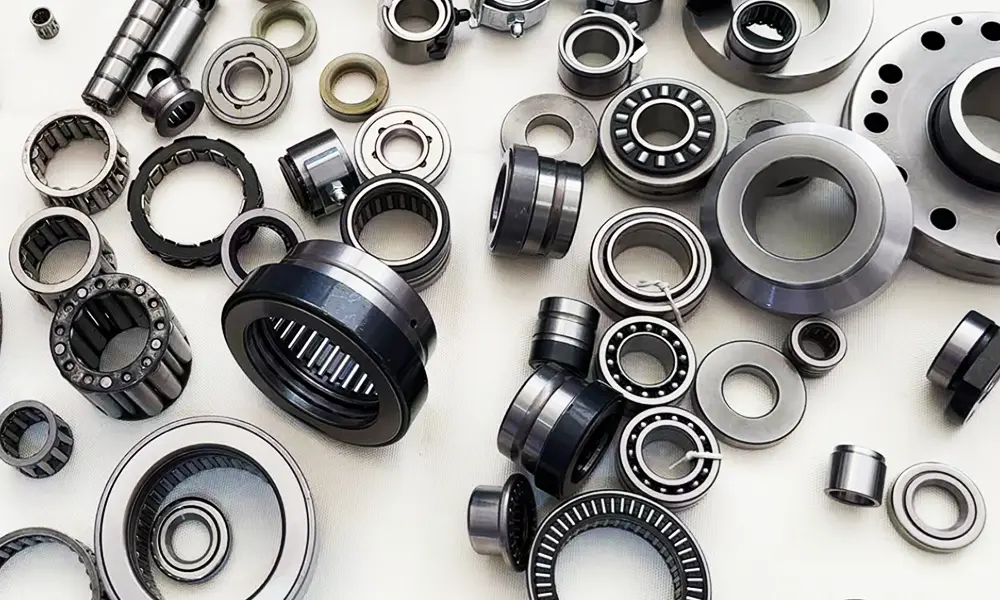
In precision machinery, smooth linear motion is not optional—it’s a requirement. Whether used in automation, CNC equipment, packaging lines, or industrial handling, linear guides are designed to maintain stable, accurate, and reliable motion. One component that plays a surprisingly important role is the bearing cage, which helps maintain rolling element alignment and reduces friction-related issues over time. For engineers and buyers evaluating the Bearing cage LM Guide SHW (รังลูกปืน LM Guide SHW, which is the term in Thai), understanding what the cage does can help explain performance differences between guide series and why specific setups last longer under real-world conditions.
A bearing cage is essentially a separator that keeps rolling elements properly spaced. In many linear guide designs, balls or rollers circulate along a raceway as the carriage moves. Without proper spacing, rolling elements can rub against each other, creating extra friction, noise, heat, and wear. The cage helps prevent that contact. By guiding the rolling elements and maintaining equal intervals, it supports smoother operation and reduces the chance of irregular movement, especially at higher speeds.
Cage design also affects lubrication behaviour. When rolling elements are evenly spaced, lubricant distribution is often more consistent. That can improve stability, reduce maintenance frequency, and help the guide perform well in long cycles. In industrial environments where machines run continuously, this can translate into lower downtime and more predictable output. For many applications, a well-designed cage contributes to quieter operation, which is valuable in facilities where noise reduction is a priority.
When selecting a linear guide, load type and installation conditions should drive the choice. Systems with frequent acceleration and deceleration, vibration, or heavy loads may benefit from guide designs that better control rolling-element behaviour. Reviewing the technical specifications and intended uses of the Bearing cage LM Guide SHW helps clarify whether it fits the machine’s demands. Essential considerations include load ratings, allowable moments, rigidity requirements, and environmental factors such as dust, humidity, and temperature variation.
Another factor is precision and repeatability. In applications such as robotics, inspection systems, and automated assembly, even minor vibration or inconsistent motion can affect product quality. A cage that improves rolling stability can improve repeatability and smooth travel. Over time, this can help maintain calibration and reduce mechanical-related quality defects.
Maintenance planning is also easier when components are designed for long-term stability. While no linear motion system is “maintenance-free,” better control of rolling friction can slow wear and extend service intervals. Choosing the right guide can reduce the total cost of ownership, even if the upfront cost is slightly higher.
For buyers comparing options, it’s helpful to review the product details for the Bearing cage LM Guide SHW and map them to the machine’s actual operating conditions. With the right match, a bearing-cage-equipped linear guide can deliver smoother motion, greater durability, and more consistent performance across long production cycles.