
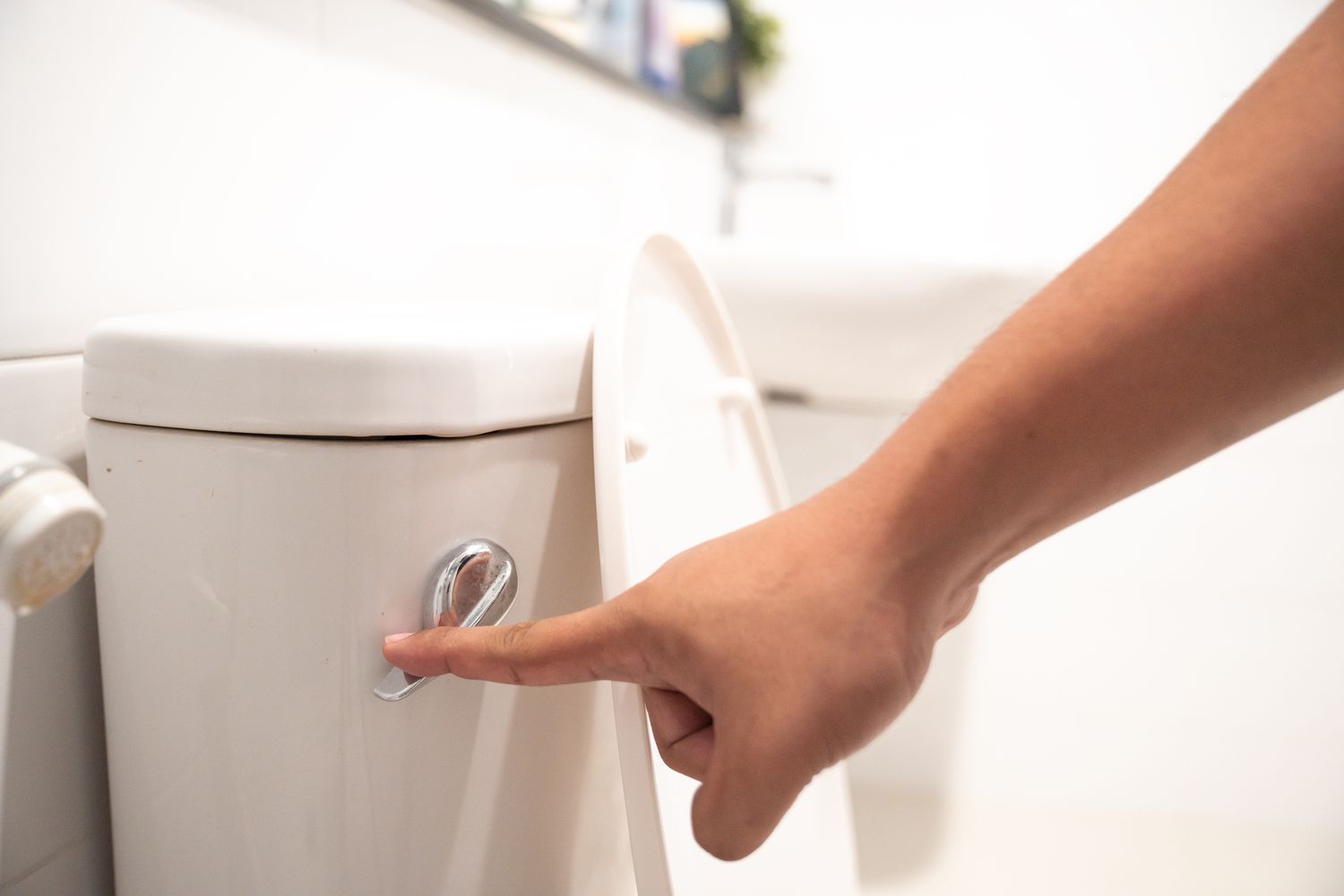
A toilet not flushing can be an annoying and unsanitary problem, especially when it happens repeatedly. Whether your toilet is not flushing all the way, not flushing well, or simply not flushing properly, understanding the common causes can help you diagnose and fix the issue quickly. In this article, we’ll walk through the top reasons toilets fail to flush correctly and provide practical, easy-to-follow solutions.
1. Clogged Toilet Bowl
One of the most frequent causes of a toilet not flushing all the way is a clog in the toilet bowl or trap. Excessive toilet paper, waste buildup, or foreign objects can block the path.
What to do:
Use a quality plunger to create a firm seal and push or pull to dislodge the blockage. For tougher clogs, a toilet auger (snake) can reach deeper into the trap.
2. Low Water Level in the Tank
If there isn’t enough water in the tank, the toilet won’t flush with enough force, which often leads to a toilet not flushing well.
What to do:
Check the water level — it should be about one inch below the top of the overflow tube. Adjust the float or fill valve to raise the water level if necessary.
3. Faulty Flapper Valve
The flapper valve controls the release of water from the tank to the bowl. A worn or warped flapper can fail to lift properly, preventing a full flush.
What to do:
Inspect the flapper. If it doesn’t lift easily or doesn’t seal tightly, replace it. Flappers are inexpensive and simple to install.
4. Blocked Rim Jets
Rim jets are the small holes under the toilet bowl’s rim that let water wash down during a flush. Mineral deposits and grime can clog these jets, weakening your flush.
What to do:
Use a wire or small brush to clean the rim jets. Vinegar can help dissolve mineral buildup. Regular cleaning prevents future blockages.
5. Weak Flush Due to Old Toilet Design
Older toilets often have less effective flush mechanisms, which can leave waste behind and cause a toilet not flushing properly.
What to do:
If your toilet is outdated, consider upgrading to a modern, high-efficiency model. Newer designs deliver stronger flush performance while conserving water.
6. Improper Chain Length
The chain that connects the flush handle to the flapper must have just the right amount of slack. Too much slack means the flapper won’t open fully; too little can prevent it from sealing.
What to do:
Adjust the chain length so there’s a small amount of slack when the flapper is closed, but not so much that it fails to lift completely during a flush.
7. Partially Closed Shut-Off Valve
The shut-off valve controls water flow into the toilet tank. If it’s partially closed, the tank won’t fill completely, leading to a weak flush.
What to do:
Locate the shut-off valve near the wall or floor behind the toilet and turn it counterclockwise to ensure it’s fully open.
8. Obstructed Vent Pipe
Toilets need proper ventilation to flush efficiently. A blocked vent pipe (usually located on the roof) can cause slow draining and weak flushes due to air pressure issues.
What to do:
This problem may require professional assistance. A plumber can clear roof vents or fix damaged ventilation pipes.
9. Hard Water Buildup
Hard water minerals can accumulate inside the bowl, tank, and inner mechanisms, reducing flushing power and causing functional problems.
What to do:
Regularly clean your toilet with a descaling cleaner or vinegar to remove mineral buildup. In areas with very hard water, a water softening system might help.
10. Sewer Line Issues
If multiple drains in your home are acting up or you notice unpleasant odors, you might have a problem with your sewer line. Clogs or breaks in the sewer line can affect toilet performance.
What to do:
Signs of sewer problems warrant calling a professional plumber. They can inspect and clear the line, or recommend repairs if necessary.
Final Tips for a Better Flush
Avoid flushing items other than human waste and toilet paper.
Perform routine maintenance — check the tank components every few months.
If your toilet continues to struggle after basic fixes, don’t hesitate to seek professional help.
A toilet not flushing doesn’t have to disrupt your day. With the right approach and a bit of troubleshooting, most flushing problems can be resolved quickly and effectively. Whether the issue is a simple clog or a more complex mechanical problem, understanding the root causes empowers you to fix the problem sooner.