
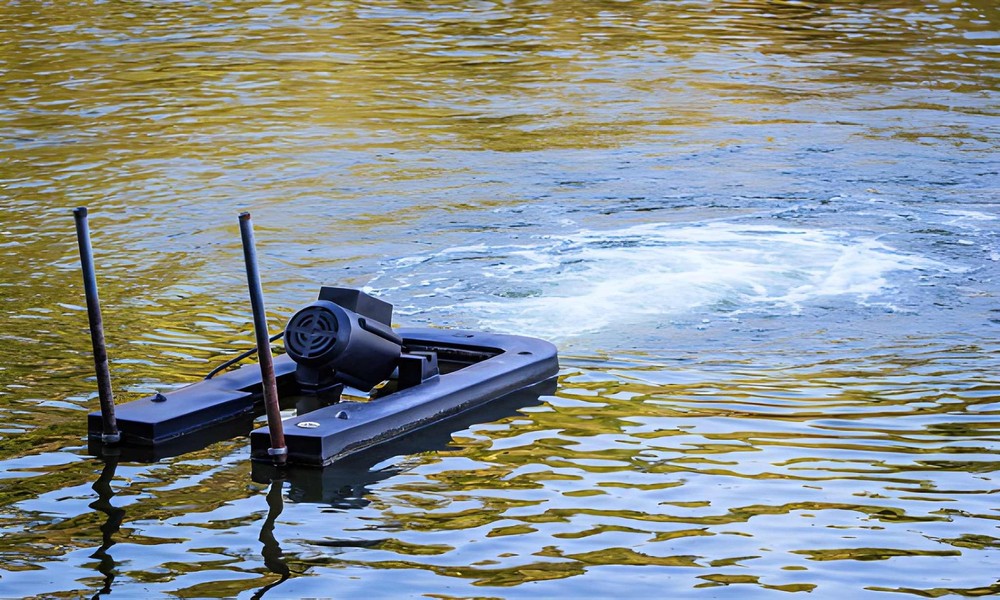
Pond pumps sit there quietly bubbling away, and you forget they exist. Until they stop working, obviously. Then you have got unhappy fish and green water and a whole load of hassle. Bit of maintenance now and then? Saves all that.
Buying decent kit helps. A quality airpump from That Pond Guy, such as the Charles Austen ET series, is properly built. Lasts for ages. My friend has run his three years, still quiet as day one. Worth extra quid honestly.
The Simple Stuff First
American Aeration makes it sound easy. Because it is really. Two main things:
- Change the air filter now and then
- Keep diaphragms or piston seals happy
That is basically it. Everything else is just checking occasionally.
The Air Filter Bit
Dead simple. The pump sucks air through the filter. Stops dust from getting inside.
- Clogged filter – Restricts airflow. The pump works harder. Eventually stops.
- Dusty shed – Check every 3 months.
- Clean garage – 6 months to a year fine. Filters are cheap. Pumps are not.
Diaphragms and Seals
Important bit this:
- Linear pumps (shallow ponds) use rubber diaphragms. Flex thousands of times per minute. Eventually wear out. Air flow drops. Unplug, replace diaphragms. Takes 10 to 20 minutes. Kits available. Can last for a year or more.
- Rocking piston pumps (deeper ponds) use piston seals. Same principle, rubber wears. Replace seals with the kit. Under half an hour. Some run for 10 years continuously.
- Rotary vane pumps, Need vanes replaced occasionally. Same filter routine.
Checking Pressure
Hi-blow says measure pressure every 6 months. Log it. Note depth too.
Pressure increasing? Two reasons:
- Diffuser clogging – Biological growth blocks pores. Fine bubble worse. Continuous running helps.
- Water depth increased by 2.31 feet, which means 1 PSI. Measure deepest. Calculate. If pressure higher? Diffuser clogging.
Remove the gauge after reading. Leaving it in wears it out.
Visual Checks
Pull diffusers up once yearly. Look at them. Clean with water if needed. Fine bubble ones may need membranes replacing eventually. Wear and tear. Normal.
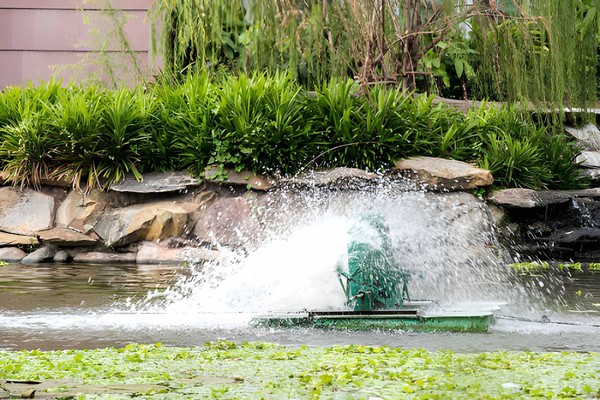
Check manifold balance with multiple diffusers. Depth changes. Valves move. Clogging happens unevenly. Adjust so all bubble nicely. Unbalanced flow means the pond does not mix properly.
The Enclosure Situation
Heat kills pumps. Especially linear ones. Need air circulation to cool.
Hi-blow pumps can stand alone outdoors. Aluminium housing. Weather-resistant. Shade good. Enclosure? Needs vents. Lots. Drill holes if needed. Air must flow.
Clean inside occasionally. Vacuum dust. Check for ants, red ones love diaphragms. Will suffocate and burn up a pump if they nest inside. Grim but true.
Rebuilding Not Replacing
Diaphragms rupture eventually. Normal. Don’t bin pump. Rebuild kits exist. 20 minutes work. Few tools. Good as new.
Hi-blow suggests rebuilding twice. Then maybe replace. Gaskets deteriorate too; hot climates are worse. Spare parts available.
Bottom Line
Pond pumps are not complicated. Filter changes. Diaphragm replacements when needed. Pressure checks now and then. Visual inspections. A few minutes every few months saves hundreds on new pumps. And stops your fish from dying when it fails at the worst possible moment.